


Jewellery display cases hold some of the most valuable stock in retail. A single cabinet might contain thousands of pounds worth of rings, necklaces, and watches. Yet many retailers still rely on simple keyed catches that any determined thief could defeat in moments.
Commercial cabinet lock systems offer a better solution. Our range of keyless cabinet locks combines genuine holding power with the convenience of combination-based operation, removing the hassle of tracking multiple keys across busy shop floors. Below are five Lockey products suitable for jewellery cabinet applications, followed by broader guidance on protecting valuable display stock.
Top 5 Locks for Jewellery Cabinet Security
1. Lockey LC200 Push Button Cabinet Lock

The Lockey LC200 cabinet lock was designed specifically for cabinet applications. It mounts directly to hinged cabinet doors, providing push-button access without requiring a key. Staff enter the combination, the mechanism releases, and the display opens.
This model suits jewellery cabinets with standard hinged construction. The compact body fits neatly into typical cabinet frames without requiring extensive modification. When the door closes, the latch engages automatically, so staff do not need to secure it manually. For retail environments where multiple team members need access throughout the day, the combination-based approach eliminates the confusion of distributing and tracking physical keys.
2. Lockey LC150 Hook Bolt for Sliding and Standard Cabinet Doors

Sliding glass panels on display cases need different hardware than hinged doors. Standard latches will not work because the panel moves parallel to the frame. The Lockey LC150 addresses this with a hook bolt mechanism that curls around the strike when engaged.
This model suits both sliding configurations and standard cabinet doors, making it versatile across different display types. The hook design resists prying attempts far better than simple catches. Even under lateral pressure, the hook remains seated. For jewellery retailers with mixed cabinet styles, stocking a single lock type that handles multiple configurations simplifies maintenance and spare parts management.
3. Little Lockey L235 Digital Lock

Smaller jewellery boxes and display units may also require protection. The Little Lockey L235 offers combination security in a compact form factor, ideal for tight spaces where full-size hardware would not fit.
Despite its smaller dimensions, this model maintains the mechanical reliability found across the Lockey range: no batteries to monitor, no wiring to run, no software to update. The push-button interface operates the same way as larger units, but is scaled down for smaller applications. It is ideal for countertop displays, rotating cases, or individual jewellery boxes requiring controlled access.
4. Little Lockey L220 Digital Lock
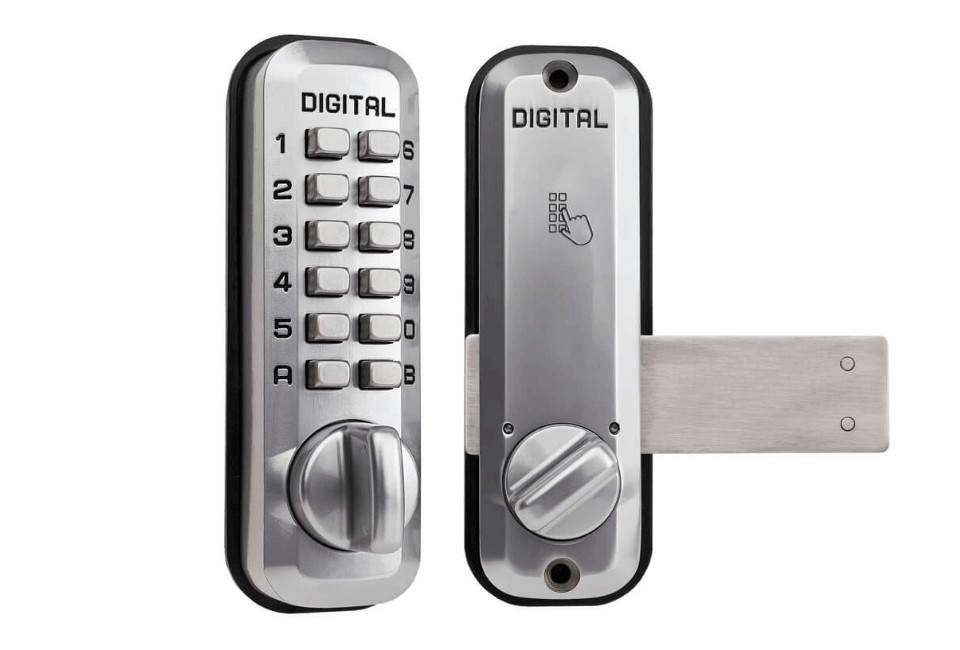
Similar to the L235 but with slightly different dimensional specifications, the L220 offers another compact option for smaller jewellery storage applications. The mechanical push-button operation remains identical.
Having multiple compact models available means you can match hardware to specific cabinet dimensions more precisely. Some display cases have very limited space for mounting hardware. Others have unusual frame profiles that suit one configuration better than another. The L220 offers specifiers an alternative when the L235 does not fit the available space.
5. Lockey LD3780 Digital Combination Lock

For larger display cabinets or situations requiring heavier-duty hardware, the LD3780 offers a more robust solution. This digital combination unit is suitable for cabinets that require greater holding force or more frequent cycling.
The mechanism handles high-traffic use typical of busy jewellery retail environments. Staff accessing displays repeatedly throughout opening hours will not wear out the hardware within months. The combination can be changed when needed, which is important when employee turnover occurs or when you suspect a code has been shared inappropriately.
Understanding Cabinet Lock Types
Several categories of cabinet hardware exist, each with distinct characteristics suited to different applications.
Mechanical Push-Button Locks
These operate through a combination entry, requiring the correct sequence of button presses to release the mechanism. No keys needed, no batteries required. Mechanical systems offer reliability that electronic alternatives sometimes lack; there is nothing to fail except the physical mechanism itself, which typically lasts decades under normal use.
Locks Keypad (Electronic)
Electronic keypad systems use battery power to operate solenoids that control the bolt or latch. They offer features like audit trails, multiple user codes, and remote management. However, they introduce battery dependency and potential electronic failure points.
Locks Magnetic
Magnetic locking systems use electromagnetic force to hold doors closed. They release when power is cut or when an authorised credential is presented. Magnetic cabinet locks are suitable for high-end installations where invisible hardware is desired, though they require wiring and ongoing power.
Locks Electric
Electric lock systems include electronic mechanisms such as keypads, card readers, and biometric devices. An electric lock might suit larger jewellery installations with broader access control requirements, though the complexity and cost increase substantially compared to mechanical options.
Traditional Keyed Locks
Keyed cabinet locks remain common, including neat lock designs in brass and other traditional finishes. A neat locks aesthetic appeals to some retailers wanting heritage styling. However, key management becomes problematic as staff numbers grow and keys get lost or duplicated without authorisation.
Why Specialist Locks Matter for Jewellery Display
General-purpose cabinet catches provide minimal protection. They deter casual handling but offer little resistance to determined theft. Locks and specialist hardware address this gap in several ways.
Holding Strength
Commercial cabinet locks engage more deeply into strikes, resisting prying and manipulation attempts that would defeat basic catches. The bolts or hooks remain secured under pressure that would pop open simpler mechanisms.
Access Control
Combination-based systems let you manage who can open which displays without distributing physical keys. Changing the code renders previous access credentials useless. This matters enormously when employees leave or when you suspect a security breach.
Durability
Commercial hardware withstands thousands of cycles without degradation. Retail jewellery displays may open and close dozens of times per day. Over months and years, that adds up to substantial wear. Purpose-built cabinet hardware handles this use pattern without failing.
How to Install a Lock on a Display Cabinet
Installation approaches vary depending on the cabinet construction and hardware type, but general principles apply.
For Hinged Doors
- Determine the mounting position on the door face or stile
- Mark the location for the mechanism body and any required cutouts
- Drill pilot holes for mounting screws or create mortice pockets as needed
- Mount the mechanism and check the operation before final tightening
- Install strike plates on the frame, adjusting position until engagement is clean
For Sliding Panels
- Identify whether the panel overlaps the frame or sits flush
- Select hardware suited to the panel thickness and frame depth
- Mount the mechanism on the panel edge or face, depending on design
- Position the strike where the bolt or hook will engage when closed
- Test operation across the full travel of the sliding movement
Many fittings include detailed templates and instructions. Following manufacturer guidance closely ensures proper function and maintains any warranty coverage.
What is a Monkey Lock?
The term “monkey tail” in hardware refers to a decorative bolt handle design with a curved, tail-like shape, often found on traditional bolts for gates and security doors rather than cabinet applications. These are typically tower bolts or surface bolts with ornamental handles.
To protect jewellery cabinets, modern push-button or combination locks offer far better security than traditional bolts. The term can be confusing when people search for cabinet hardware, but monkey tail fittings serve different purposes than the commercial cabinet locks discussed here.
Making Displays Secure Without Compromising Presentation
Jewellery retail depends on customers being able to see products clearly. Heavy, obvious hardware can detract from the visual appeal that drives sales. Finding the balance requires thoughtful specification.
Discrete Mounting
Position mechanisms that remain functional but are not visually dominant. Side, edge, or flush mounting reduces visual impact while maintaining protection.
Colour Matching
Hardware finishes should complement cabinet materials. Chrome, satin nickel, and brass options allow matching to different display aesthetics. Some electronic cabinet systems offer fully concealed installation with no visible hardware.
Glass Thickness Considerations
Display cabinets often use tempered glass panels. Hardware must suit the panel thickness without compromising the glass integrity. Clamping mechanisms designed for glass applications distribute pressure evenly, avoiding stress points that could cause cracking.
Access Control Systems for Larger Installations
Single-cabinet protection suits smaller retailers, but larger jewellery operations may require broader access-control approaches. Multiple display cases, back-office safes, and stockroom doors require coordinated management.
Systems range from simple combination-based approaches, where a master code opens all units, to sophisticated electronic access control with individual user credentials, time-based permissions, and audit logging. The right choice depends on your operation’s scale and complexity.
For many independent jewellers, mechanical push-button locks provide the right balance. They offer genuine protection without the cost and complexity of networked electronic systems. Larger chains with multiple locations might justify more elaborate solutions that integrate with broader security infrastructure.
Additional Products for Specific Situations
Beyond the top five, other products in our locker and cabinet locks range address particular requirements.
The Lockey 2500 Hook Bolt is designed for sliding doors on freestanding display cases, providing the same hook engagement principle in a format suitable for larger door applications rather than cabinet panels.
The Lockey LD3781 features digital combination security and is specifically rated for wet areas. While unusual for jewellery display, some cleaning processes or display environments involve moisture, which can damage standard electronics.
For cabinets requiring access from multiple locations, the Lockey 1150DS provides combination entry from both sides. Staff can open displays from behind counters while customers view from the front.
When existing hardware needs upgrading rather than a complete replacement, the Lockey L10 Slide/Pull Handle works with the LC150 to provide improved handles for sliding cabinet doors.
Installation Considerations
Proper installation maximises both security and hardware longevity. Several factors warrant attention.
Frame Material
Wooden cabinet frames accept screws directly. Metal frames may require thread-cutting screws or pre-tapped mounting holes. Glass-mounted hardware needs appropriate clamping pressure without overtightening.
Strike Alignment
Bolts and hooks must engage strikes cleanly for reliable operation. Misalignment causes binding, premature wear, and potential security gaps. Take time to adjust the strike plate position precisely.
Panel Movement
Hinges affect how doors close and where alignment points fall. Worn hinges may need to be replaced before installing new locks; otherwise, the door may not close properly, regardless of lock quality.
Supporting Hardware
Door closers can improve cabinet security by ensuring displays actually close after access. Without closers, busy staff may unintentionally leave displays ajar. For high-value stock, every moment of unsecured access represents risk.
Quick Reference Table
| Model | Application | Door Type | Key Required |
| LC200 | Hinged cabinet doors | Standard hinged | No |
| LC150 | Sliding and standard cabinets | Sliding or hinged | No |
| L235 | Small boxes and compact displays | Various | No |
| L220 | Compact cabinets | Various | No |
| LD3780 | Larger display cases | Hinged or adapted | No |
Frequently Asked Questions
What distinguishes commercial cabinet locks from residential furniture hardware?
Commercial cabinet locks meet higher durability standards and provide stronger holding power than residential furniture catches. They withstand thousands of opening cycles without degradation, resist manipulation attempts, and often incorporate keyless access control features. Residential hardware typically offers basic privacy rather than genuine theft deterrence. To protect valuable jewellery stock, commercial-grade specifications are critical, as failure can result in significant financial loss and insurance complications.
Can electronic cabinet systems integrate with existing shop security?
Yes, though complexity varies. Standalone electronic cabinet locks operate independently, each with its own credentials. More sophisticated systems can tie into broader access control infrastructure, linking cabinet access to employee credentials already used for building entry. Integration typically requires professional installation and may involve networking components, software licences, and ongoing maintenance contracts. For many jewellery retailers, self-contained mechanical systems provide adequate protection without the complexity of integration.
How often should cabinet lock combinations be changed?
Quarterly changes suit many retail environments. However, combinations should be changed immediately whenever staff with access credentials leave employment, regardless of circumstances. If you suspect a code has been shared by anyone other than authorised users, change it promptly. Lockey mechanical locks allow combination changes without removing the hardware from the cabinet, making this maintenance task quick and straightforward, even during trading hours.
Do push-button locks wear out faster than keyed alternatives?
Quality mechanical push-button locks actually outlast many keyed alternatives under comparable use patterns. The mechanism requires fewer precision components than pin tumbler cylinders and contains no springs or wafers that can fatigue over time. Lockey products specifically are designed for high-cycle commercial applications. The buttons are typically made of stainless steel or a similar durable material. With minimal maintenance, decades of reliable service are normal.
What security rating should jewellery cabinet locks meet?
There is no mandatory rating for jewellery cabinet locks in the UK. However, insurers may impose requirements as conditions of coverage. Commercial-grade hardware generally provides appropriate protection for retail jewellery display. For high-value stock, consider consulting your insurer about their recommendations. They may specify particular hardware types, supplementary measures such as monitored alarms, or display case construction standards, depending on the values involved.
Talk to Lockey Digital UK About Your Cabinet Security
Protecting jewellery displays requires hardware matched to the actual threat level and usage pattern. Basic catches do not provide genuine protection; commercial cabinet locks do.
Lockey Digital UK LTD, based in Royston, Hertfordshire, has supplied mechanical keyless systems to UK retailers since 1982. Whether you operate a single jewellery counter or manage multiple display locations, the team can advise on product selection and specification. Get in touch to discuss your requirements.


